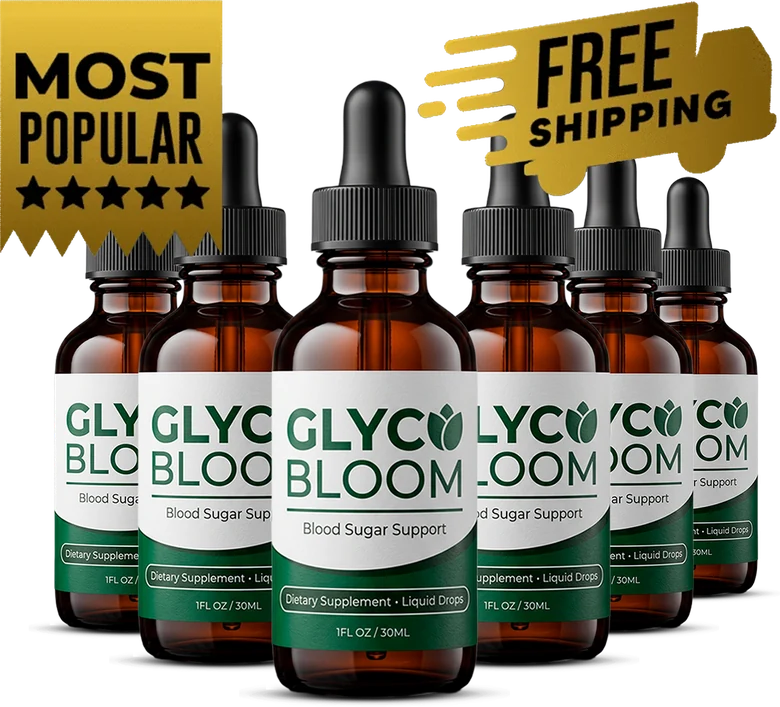
How Does GlycoBloom Work?
GlycoBloom's stated mechanism pairs a cellular-pathway compound with metabolic-support minerals and glucose-transport botanicals.
This is general nutritional support, not evidence that it can manage diagnosed diabetes or replace medication.
Why Berberine anchors the blood-sugar-regulation claim
Berberine is positioned around AMPK, a cellular pathway involved in glucose regulation. Its general research base is summarised on PubMed. See our full piece on Berberine and Chromium.
The metabolic-balance layer
Chromium Picolinate and Gymnema Sylvestre are positioned around insulin receptor efficiency and pancreatic beta-cell support respectively. See our piece on Berberine and Chromium.
The energy and glucose-control layer
Alpha Lipoic Acid and Vitamin D3 are positioned around converting glucose into usable energy, while Bitter Melon and Banaba Leaf are positioned around insulin-mimetic activity and glucose transport. See our piece on Ceylon Cinnamon and Gymnema.
A note on the delivery-speed claim
The brand's central differentiator is its liquid sublingual format, marketed as 3 times faster-absorbing than capsules. Sublingual delivery does have a general pharmacological basis for faster onset for many compounds, but the specific multiplier is a brand claim we could not independently test for this product. See our piece on sublingual versus capsule absorption for more context.
What the mechanism does not establish
Everything above concerns individual ingredients and general biological mechanisms, not a clinical trial of the finished GlycoBloom formula, which we could not locate. None of it supports using GlycoBloom as a replacement for diagnosed diabetes treatment. See the full ingredient list and what the formula is positioned to support.